
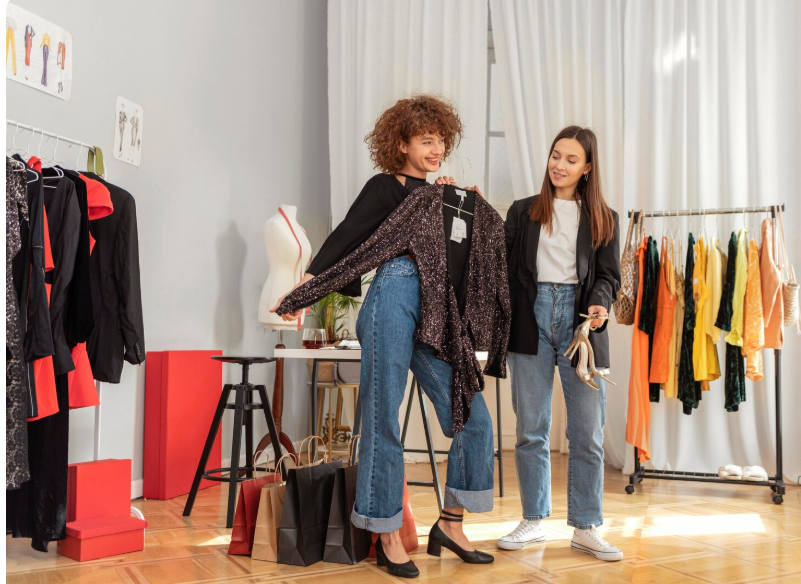
Fashion buying guides are essential tools for consumers, helping them make informed choices when selecting clothing and accessories. In today’s fast-paced fashion landscape, where trends, materials, and sustainability vary widely, a well-crafted buying guide empowers shoppers to prioritize quality, style, and ethical considerations. By understanding the principles behind fashion buying, consumers can invest in garments that are durable, versatile, and reflective of personal taste.
The Purpose of Fashion Buying Guides
A fashion buying guide serves as a roadmap for making intelligent wardrobe decisions. It goes beyond aesthetics, considering factors such as fabric quality, craftsmanship, fit, durability, and sustainability. Fashion psychology suggests that thoughtful purchasing enhances satisfaction, confidence, and self-expression, creating an emotional connection between the consumer and their clothing.
Buying guides also help navigate the overwhelming variety of styles, brands, and materials available today. By providing insights into product construction, ethical practices, and seasonal relevance, they equip shoppers to make decisions that balance fashion, functionality, and values.
Understanding Fabrics and Materials
An essential aspect of fashion buying is knowledge of fabrics and textiles. Natural fibers like cotton, silk, wool, and linen offer comfort, breathability, and durability, while synthetic fibers such as polyester, nylon, and acrylic provide stretch, resilience, and low-maintenance benefits.
Modern innovations like smart textiles, recycled materials, and high-performance fabrics are becoming increasingly important. Fashion buying guides educate consumers about the properties, care requirements, and environmental impact of these materials, helping them choose garments that meet both functional and ethical criteria.
Evaluating Quality and Craftsmanship
Quality is a key consideration in any buying guide. Examining stitching, seam strength, fabric finish, and overall construction ensures longevity and wearability. Designer wear and luxury fashion often emphasize meticulous craftsmanship, while high-street brands may vary in quality.
A fashion buying guide advises consumers to look for hallmarks of durability and attention to detail. Understanding the difference between mass-produced items and handcrafted or artisanal pieces can affect both the garment’s lifespan and its value as an investment.
Navigating Style and Trends
Fashion buying guides help consumers balance personal style with current trends. Timeless pieces like tailored blazers, classic trousers, and versatile dresses form the foundation of a functional wardrobe, while trend-driven items add seasonal freshness.
Understanding the principles of color theory, body-type styling, and wardrobe essentials allows consumers to make choices that complement their lifestyle and aesthetic preferences. This approach minimizes impulse purchases and enhances satisfaction, aligning fashion with personal identity.
Ethical and Sustainable Considerations
Sustainability has become a central focus in fashion buying. Guides educate consumers about eco-friendly fabrics, ethical production practices, and slow fashion principles. Organic cotton, bamboo, recycled fibers, and waterless dyeing methods reduce environmental impact, while brands with transparent labor practices ensure ethical responsibility.
By integrating sustainability into buying decisions, consumers not only contribute to environmental preservation but also acquire garments designed for longevity. This approach reinforces mindful consumption, reduces waste, and promotes a positive relationship with clothing.
Practical Tips for Fashion Buying
Fashion buying guides often provide actionable tips: checking fabric care instructions, assessing fit, investing in versatile staples, and prioritizing durability. They may also include advice on budgeting, wardrobe planning, and creating capsule collections for functionality and style cohesion.
Consumers benefit from understanding the lifecycle of garments, from sourcing to end-of-life considerations. Repairing, upcycling, and donating clothing extend usability, aligning purchases with both economic and environmental mindfulness.
Fashion Psychology and Smart Buying
Fashion psychology reveals that intentional purchasing improves emotional satisfaction. Thoughtful buying fosters a sense of control, reduces stress, and enhances confidence. A well-curated wardrobe allows individuals to express identity, mood, and lifestyle effectively, highlighting the emotional significance of smart fashion choices.
Fashion buying guides thus play a dual role: practical decision-making support and emotional guidance. They encourage consumers to buy with purpose, ensuring that each item serves a functional, aesthetic, and personal role in their wardrobe.
Conclusion
Fashion buying guides are indispensable for modern consumers. They provide a structured approach to evaluating fabrics, craftsmanship, style, sustainability, and personal preference. By following a thoughtful guide, shoppers can invest in garments that are durable, stylish, and ethically produced.
In a world dominated by fast fashion and transient trends, fashion buying guides help consumers make intentional choices. They transform shopping from an impulsive activity into a mindful, satisfying, and value-driven experience. By integrating knowledge, style, and responsibility, fashion buying guides empower individuals to build wardrobes that are functional, timeless, and aligned with both personal and ethical values.