
In the dynamic world of fashion, fabric & textiles are the foundation of creativity and innovation. The choice of materials not only influences the look and feel of a garment but also impacts comfort, durability, and sustainability. Designers and fashion houses continually experiment with fabric and textiles to create unique collections that capture attention and define trends. Understanding the role of fabrics is essential for anyone interested in fashion, whether as a designer, stylist, or enthusiast.
The Importance of Fabric & Textiles
Fabric and textiles are more than just materials—they are the language of fashion. Each type of fabric has distinct properties, such as texture, weight, flexibility, and breathability, which influence how a garment drapes, moves, and feels. From luxurious silks and wools to innovative synthetics, the right choice of fabric can elevate a simple design into a masterpiece.
The interplay between fabric and design also determines the aesthetic appeal of clothing. Structured fabrics like denim and leather provide form and shape, while softer fabrics like chiffon and jersey offer fluidity and comfort. By understanding these properties, designers can translate their vision into garments that are both visually stunning and functional.
Creative Innovation in Textiles
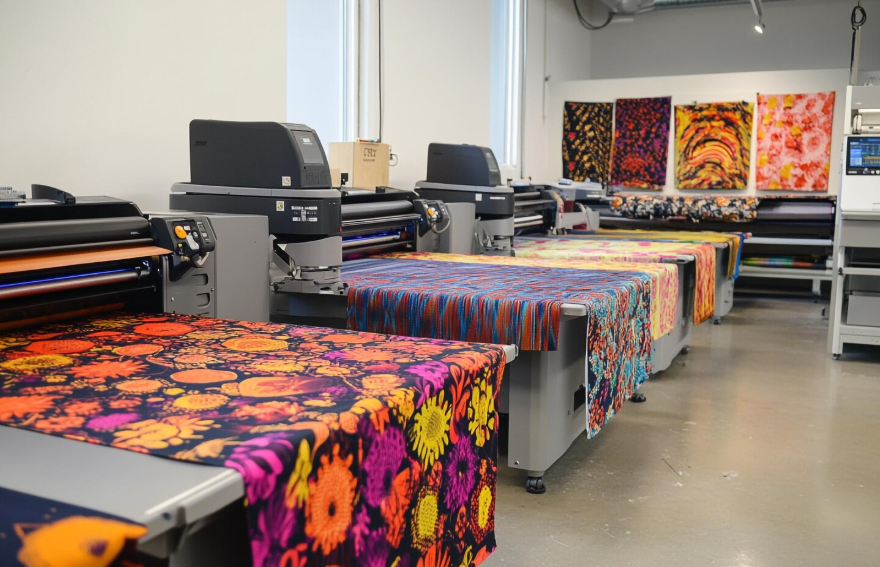
Innovation in fabric & textiles has revolutionized the fashion industry. Designers increasingly use creative textiles to introduce new textures, patterns, and functionalities. For example, laser-cut fabrics, 3D-knitted materials, and digitally printed textiles offer limitless possibilities for unique designs. These innovations allow fashion to move beyond traditional boundaries and create garments that are works of art.
Sustainable fabrics have also emerged as a major trend. Recycled materials, organic cotton, bamboo fibers, and eco-friendly synthetics allow designers to craft stylish pieces while reducing environmental impact. By combining creativity with responsibility, fabric & textiles play a key role in shaping the future of fashion.
Fabric & Textiles and Cultural Expression
Fabrics often carry cultural significance and heritage. Traditional textiles like Indian silk, Japanese kimono fabrics, and African kente cloth are rich in history and symbolism. Designers incorporate these fabrics into contemporary fashion, merging cultural storytelling with modern aesthetics. This approach transforms fashion into a medium of expression, honoring tradition while appealing to global markets.
Choosing the Right Fabric for Design
Selecting the appropriate fabric is a critical step in fashion design. Factors such as seasonality, garment function, and target audience influence fabric choice. For instance, lightweight cotton or linen is ideal for summer collections, while wool and tweed are suited for winter wear. Designers must also consider color retention, texture, and compatibility with other materials to ensure a cohesive and practical design.
Fabric innovation also allows for experimentation with hybrid materials, combining natural and synthetic fibers to enhance performance and aesthetics. This creativity in textiles opens new avenues for designers to explore, ensuring that fashion remains dynamic and ever-evolving.
The Future of Fabric & Textiles
The future of fashion is closely tied to developments in fabric & textiles. Smart fabrics, which integrate technology such as sensors or temperature regulation, are becoming increasingly popular. These textiles offer both functionality and style, catering to the needs of modern consumers who seek comfort, performance, and aesthetic appeal in a single garment.
Moreover, as sustainability becomes central to fashion, designers and manufacturers are focusing on biodegradable fabrics, waterless dyeing techniques, and circular textile systems. These innovations not only reduce environmental impact but also inspire creativity, allowing fashion to transform while respecting the planet.
Conclusion
Fabric & textiles are at the heart of fashion, enabling designers to bring their visions to life and push the boundaries of creativity. From traditional materials to innovative, sustainable, and technologically advanced textiles, the possibilities are endless. By understanding and experimenting with fabrics, designers can transform fashion into an expressive, functional, and aesthetically rich art form. Creative fabric and textile choices define the identity of garments, shape trends, and influence the future of fashion, making them indispensable to the industry’s evolution.